What Is a Recurring Payment? A Complete Guide for Subscription Businesses
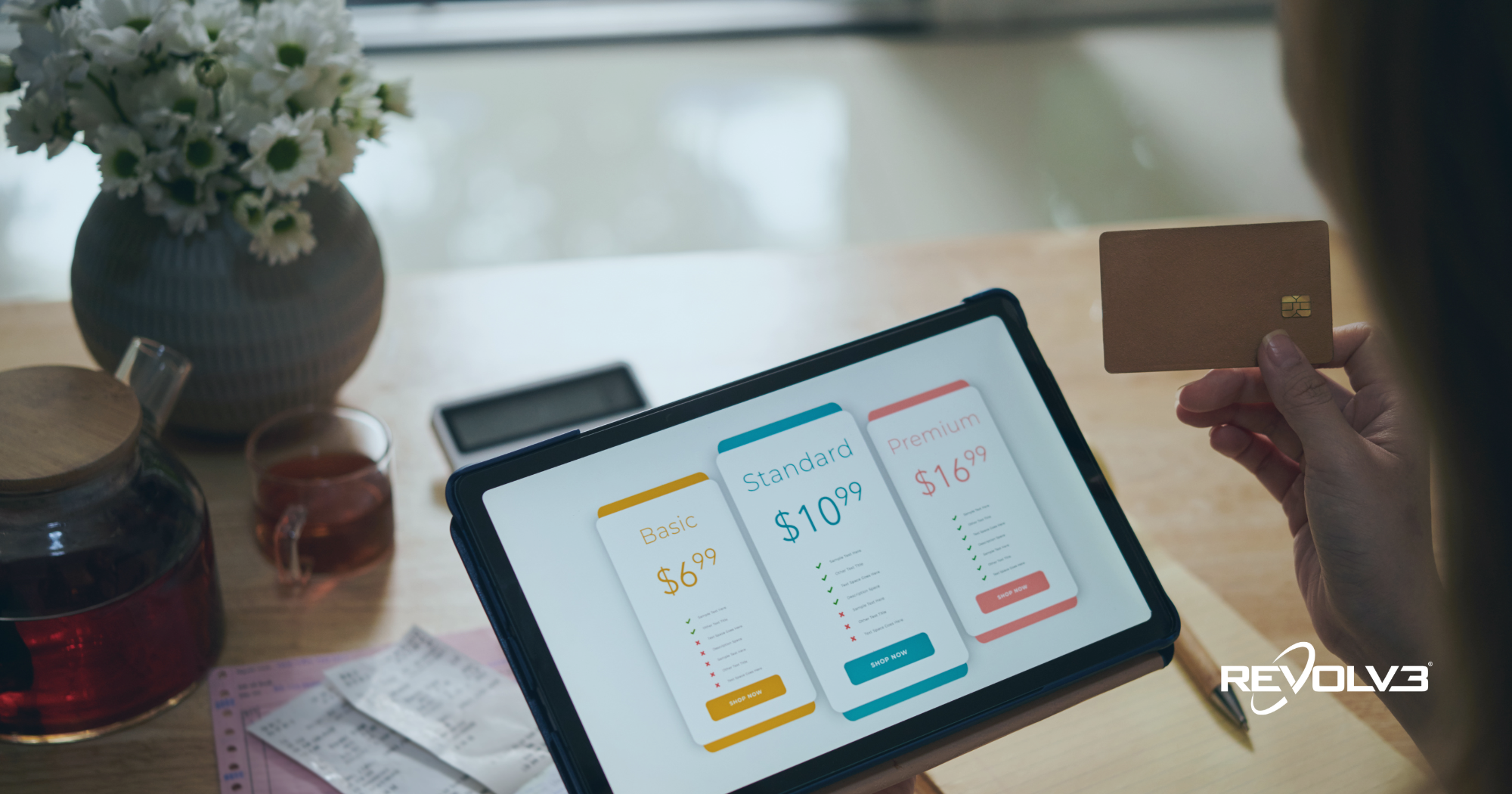
Recurring payments have become the backbone of modern subscription businesses, offering a reliable way to generate predictable revenue and strengthen customer relationships. As convenience and flexibility continue to drive customer expectations, recurring payments have surged in popularity across industries. In this guide, we’ll break down what recurring payments are, how they work, and the key benefits and challenges to consider when implementing them.
What is a Recurring Payment?
Recurring payments are automated payments where a customer is charged on a regular schedule for a product or service. This schedule could be weekly, monthly, annually, or customized. Once the customer provides payment details and authorizes the arrangement, charges occur automatically without requiring manual intervention each billing cycle.
This model is widely used for:
- Subscriptions (e.g., software licenses, streaming platforms, beauty boxes)
- Memberships (e.g., gyms, clubs)
- Usage-based services (e.g., utilities, telecom)
Types of Recurring Payments
Typically, there are three types of recurring payment models: fixed, variable, and hybrid recurring payments. Here’s a breakdown of each type:
- Fixed Recurring Payments: Customers pay the same amount for each cycle (e.g., $9.99/month for a streaming service).
- Variable Recurring Payments: Charges fluctuate based on usage or quantity (e.g., cloud storage billed per GB).
- Hybrid Models: Combines fixed charges with variable or usage-based charges in a single billing cycle. For example, a telecom provider bills a fixed monthly plan plus extra fees for data overages (Common in SaaS and telecom).
How Recurring Payments Work
The process typically involves:
- Customer Authorization: The cardholder provides their payment method information to the business and authorizes them to charge the card for a specified amount at regular intervals. This authorization can be made online, over the phone, or through a signed form.
- Recurring billing: On the scheduled date, the business’s recurring billing platform automatically charges the cardholder’s credit card for the agreed upon amount, sending this to the payment processor.
- Payment Processing: The payment processor manages the payment and credentials that are passed to the Card Networks/Schemes (Visa, MasterCard, Amex, Discover). They also manage the Network Data and responses.
- Notifications and Invoicing: After the payment is processed, both the business and the cardholder are notified (typically by email) with the transaction details for record-keeping and confirmation.
The Benefits of Recurring Payments
Recurring payments are more than a billing mechanism; they’re a strategic growth driver. Here’s why:
- Predictable Revenue: With recurring payments, businesses can forecast cash flow and plan how they spend their money confidently.
- Operational Efficiency: Manual invoicing and chasing late payments take time and resources. Recurring billing automates these processes, reducing administrative overhead and freeing your team to focus on growth initiatives rather than collections.
- Customer Retention: Automatic billing reduces friction for customers. They don’t have to remember to renew or re-enter payment details, which lowers churn. When payments happen seamlessly, customers are more likely to stay subscribed, giving you a longer customer lifetime value (CLV).
- Better Customer Experience: Convenience is a major selling point. Recurring payments mean customers enjoy uninterrupted access to your product or service without manual intervention. This smooth experience builds trust and loyalty, which can lead to referrals and positive reviews.
- Customer Lifetime Value: Don’t just offer a service, create an ecosystem. When customers feel like members rather than passive subscribers, they gain a sense of connection and exclusivity. Membership perks, personalized experiences, and community engagement transform a simple transaction into a relationship. This approach fosters deeper loyalty, encourages advocacy, and turns your brand into a part of their lifestyle.
Challenges Businesses Face
- Payment Failures: One of the biggest issues subscription businesses face are payment declines. False declines occur for a variety of reasons, but most commonly they are caused by misidentification of a fraudulent transaction, payment gateway failure, or card balance error. Declines disrupt cash flow and require administrative help to solve.
- Regulatory Compliance: Securely handling customer data and payment information is a major responsibility. Companies must comply with regulations such as the Payment Card Industry Data Security Standard (PCI DSS) and data protection laws like GDPR (General Data Protection Regulation). Non-compliance can lead to massive fines and reputational damage.
- Network Tokens—introduced to improve security and reduce fraud—have inadvertently created new challenges. Businesses must store both the Network Token and the PAN (Primary Account Number) for redundancy because not all issuers support tokenization. Not all payment providers guarantee higher approval rates with Network Tokens. This makes having a truly intelligent routing partner critical, as it can exponentially increase revenue and reduce costs tied to recurring billing while ensuring compliance across multiple jurisdictions.
Work with the Right Payments Partner for Recurring Revenue
The path to successful payment optimization becomes much easier when you have the right partner. Here are a few factors to look for while evaluating payment providers:
- Dynamic Routing: Dynamic routing is a form of intelligent payment routing that uses artificial intelligence to route payment data in the best way to improve the likelihood of approvals, decreasing false declines for good.
- Global Scalability: When choosing a payment processing partner, look for a solution that fits your current requirements but supports future growth. Look for an enterprise payment system that can grow with your business. Check if the system can accommodate increased volumes and transactions without causing unnecessary fees.
- Robust Analytics & Reporting: As a SaaS business, you can grow and expand your revenue with the help of cutting-edge analytics. Payment data and analytics reveal success areas and identify opportunities for improvement. Look for an enterprise payment processing solution that provides detailed transaction data and actionable reports that help you make smart billing decisions.
- Payment Expertise: A payment partner is not just another vendor. They should offer expertise beyond processing transactions. Search for an enterprise payment processing partner who can guide you through industry regulations and security protocols and help you understand payment trends to optimize the process. The right partner can also help implement advanced security measures like encryption and biometrics, minimizing risk and fraud.
Why Revolv3 Is the Ultimate Payment Optimization Partner
In today's hyper-competitive SaaS landscape, a smooth and optimized payment process makes all the difference between hitting your revenue goals and losing customers. Revolv3 goes beyond processing transactions; we're your strategic partner, helping you maximize your revenue potential and build your brand in the long run.
We offer dynamic routing and other cutting-edge solutions to deliver a seamless end-to-end payment solution that maximizes approval rates and minimizes friction. Revolv3 takes the burden of the additional network and payment requirements off your plate, allowing you to focus on your business. Our data-driven approach will help you make informed decisions to optimize conversions and boost revenue.
Revolv3 is more than just a payment optimization platform; we're a trusted advisor dedicated to optimizing your revenue stream and fostering customer satisfaction through a seamless payment experience. Schedule a demo to learn how Revolv3 can help your business achieve payment optimization goals.
Recurring payments have become the backbone of modern subscription businesses, offering a reliable way to generate predictable revenue and strengthen customer relationships. As convenience and flexibility continue to drive customer expectations, recurring payments have surged in popularity across industries. In this guide, we’ll break down what recurring payments are, how they work, and the key benefits and challenges to consider when implementing them.
What is a Recurring Payment?
Recurring payments are automated payments where a customer is charged on a regular schedule for a product or service. This schedule could be weekly, monthly, annually, or customized. Once the customer provides payment details and authorizes the arrangement, charges occur automatically without requiring manual intervention each billing cycle.
This model is widely used for:
- Subscriptions (e.g., software licenses, streaming platforms, beauty boxes)
- Memberships (e.g., gyms, clubs)
- Usage-based services (e.g., utilities, telecom)
Types of Recurring Payments
Typically, there are three types of recurring payment models: fixed, variable, and hybrid recurring payments. Here’s a breakdown of each type:
- Fixed Recurring Payments: Customers pay the same amount for each cycle (e.g., $9.99/month for a streaming service).
- Variable Recurring Payments: Charges fluctuate based on usage or quantity (e.g., cloud storage billed per GB).
- Hybrid Models: Combines fixed charges with variable or usage-based charges in a single billing cycle. For example, a telecom provider bills a fixed monthly plan plus extra fees for data overages (Common in SaaS and telecom).
How Recurring Payments Work
The process typically involves:
- Customer Authorization: The cardholder provides their payment method information to the business and authorizes them to charge the card for a specified amount at regular intervals. This authorization can be made online, over the phone, or through a signed form.
- Recurring billing: On the scheduled date, the business’s recurring billing platform automatically charges the cardholder’s credit card for the agreed upon amount, sending this to the payment processor.
- Payment Processing: The payment processor manages the payment and credentials that are passed to the Card Networks/Schemes (Visa, MasterCard, Amex, Discover). They also manage the Network Data and responses.
- Notifications and Invoicing: After the payment is processed, both the business and the cardholder are notified (typically by email) with the transaction details for record-keeping and confirmation.
The Benefits of Recurring Payments
Recurring payments are more than a billing mechanism; they’re a strategic growth driver. Here’s why:
- Predictable Revenue: With recurring payments, businesses can forecast cash flow and plan how they spend their money confidently.
- Operational Efficiency: Manual invoicing and chasing late payments take time and resources. Recurring billing automates these processes, reducing administrative overhead and freeing your team to focus on growth initiatives rather than collections.
- Customer Retention: Automatic billing reduces friction for customers. They don’t have to remember to renew or re-enter payment details, which lowers churn. When payments happen seamlessly, customers are more likely to stay subscribed, giving you a longer customer lifetime value (CLV).
- Better Customer Experience: Convenience is a major selling point. Recurring payments mean customers enjoy uninterrupted access to your product or service without manual intervention. This smooth experience builds trust and loyalty, which can lead to referrals and positive reviews.
- Customer Lifetime Value: Don’t just offer a service, create an ecosystem. When customers feel like members rather than passive subscribers, they gain a sense of connection and exclusivity. Membership perks, personalized experiences, and community engagement transform a simple transaction into a relationship. This approach fosters deeper loyalty, encourages advocacy, and turns your brand into a part of their lifestyle.
Challenges Businesses Face
- Payment Failures: One of the biggest issues subscription businesses face are payment declines. False declines occur for a variety of reasons, but most commonly they are caused by misidentification of a fraudulent transaction, payment gateway failure, or card balance error. Declines disrupt cash flow and require administrative help to solve.
- Regulatory Compliance: Securely handling customer data and payment information is a major responsibility. Companies must comply with regulations such as the Payment Card Industry Data Security Standard (PCI DSS) and data protection laws like GDPR (General Data Protection Regulation). Non-compliance can lead to massive fines and reputational damage.
- Network Tokens—introduced to improve security and reduce fraud—have inadvertently created new challenges. Businesses must store both the Network Token and the PAN (Primary Account Number) for redundancy because not all issuers support tokenization. Not all payment providers guarantee higher approval rates with Network Tokens. This makes having a truly intelligent routing partner critical, as it can exponentially increase revenue and reduce costs tied to recurring billing while ensuring compliance across multiple jurisdictions.
Work with the Right Payments Partner for Recurring Revenue
The path to successful payment optimization becomes much easier when you have the right partner. Here are a few factors to look for while evaluating payment providers:
- Dynamic Routing: Dynamic routing is a form of intelligent payment routing that uses artificial intelligence to route payment data in the best way to improve the likelihood of approvals, decreasing false declines for good.
- Global Scalability: When choosing a payment processing partner, look for a solution that fits your current requirements but supports future growth. Look for an enterprise payment system that can grow with your business. Check if the system can accommodate increased volumes and transactions without causing unnecessary fees.
- Robust Analytics & Reporting: As a SaaS business, you can grow and expand your revenue with the help of cutting-edge analytics. Payment data and analytics reveal success areas and identify opportunities for improvement. Look for an enterprise payment processing solution that provides detailed transaction data and actionable reports that help you make smart billing decisions.
- Payment Expertise: A payment partner is not just another vendor. They should offer expertise beyond processing transactions. Search for an enterprise payment processing partner who can guide you through industry regulations and security protocols and help you understand payment trends to optimize the process. The right partner can also help implement advanced security measures like encryption and biometrics, minimizing risk and fraud.
Why Revolv3 Is the Ultimate Payment Optimization Partner
In today's hyper-competitive SaaS landscape, a smooth and optimized payment process makes all the difference between hitting your revenue goals and losing customers. Revolv3 goes beyond processing transactions; we're your strategic partner, helping you maximize your revenue potential and build your brand in the long run.
We offer dynamic routing and other cutting-edge solutions to deliver a seamless end-to-end payment solution that maximizes approval rates and minimizes friction. Revolv3 takes the burden of the additional network and payment requirements off your plate, allowing you to focus on your business. Our data-driven approach will help you make informed decisions to optimize conversions and boost revenue.
Revolv3 is more than just a payment optimization platform; we're a trusted advisor dedicated to optimizing your revenue stream and fostering customer satisfaction through a seamless payment experience. Schedule a demo to learn how Revolv3 can help your business achieve payment optimization goals.
This article was first published here:
Related Resources


.png)
Don't miss an article
Sign up today to receive exciting updates and the latest newsletter from Revolv3.

Get full access to our platform to see how easy it is to configure and manage payments that are optimized for First Pass
